
How Scam Calls Hide Behind Legit Names

Mariana Raymond
Dec 22, 20252 min read
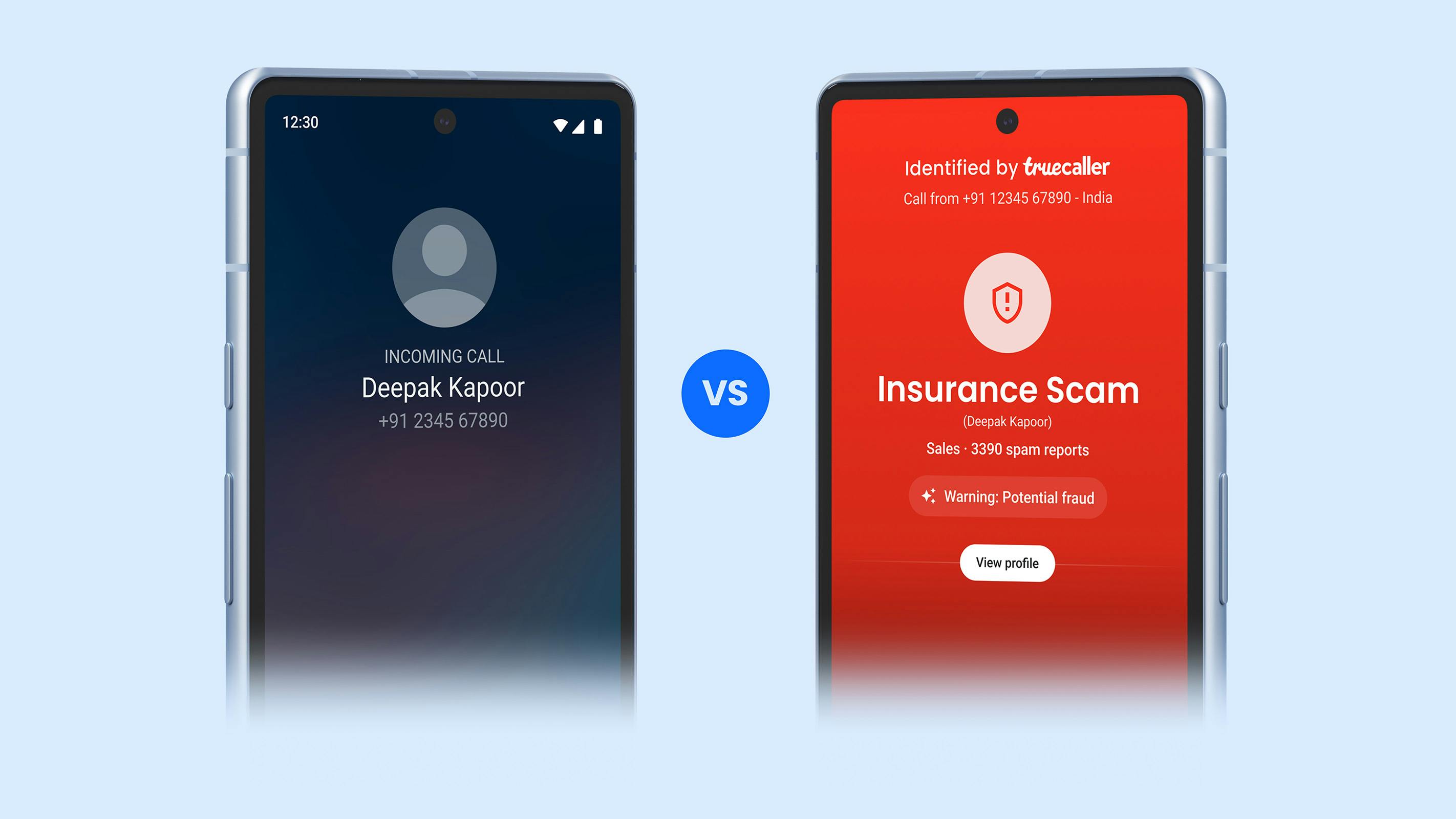
When your phone rings and a name appears on the screen, it’s easy to be lulled into a sense of security. A name means the caller is known. Known means safe. In India especially, that small line of text on your screen carries a lot of weight.
Many people assume that if a caller name is showing, the call must be genuine. And that’s exactly the assumption scammers rely on.
Here’s the problem: what most operator caller IDs show is just the name that was used when a SIM card was issued. In India, that information can stay attached to a number for years. Meanwhile, the number itself may have been passed on to someone else. The name on your screen can be outdated, misleading, or completely unrelated to the person calling you.
An “official” name doesn’t tell you:
- if the number has been reported for scams
- if it’s impersonating a bank, courier, or government office
- if thousands of people are receiving the same call right now
That’s why scam calls often look harmless until it’s too late.
Why Caller ID needs context
To spot scams, you need more than a registered name. You need to know how a number behaves in the real world. Is it suddenly calling many people? Has it been flagged by others? Does its activity match known scam patterns?
This is where the Truecaller app is essential.
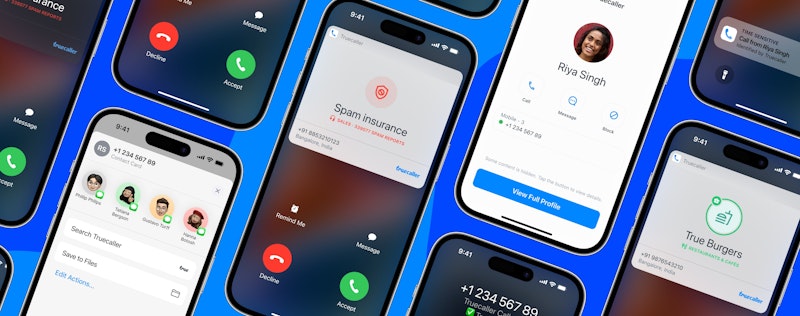
Truecaller adds real-time context on top of basic caller ID by using live signals and community intelligence from millions of users across India. Instead of trusting a static SIM record, it looks at what’s actually happening with that number.
How Truecaller helps protect you
Truecaller’s scam protection is built around how scams work in practice:
- Scam and fraud detection that warn you when a number has been reported or identified as suspicious, powered by patterns across billions of calls
- Community reporting that helps surface new scam numbers quickly, often before they spread widely
- Auto-block of spam and fraud so many scam calls never reach you at all
- Verified business identity so you can distinguish genuine business calls from impersonators
Together, these signals help you decide whether to answer, ignore, or block a call — before engaging with it.
The bottom line
In India, scam calls don’t always come from “unknown numbers.” They come wrapped in familiar-looking names and false confidence. Relying on a name alone is no longer enough.
Truecaller exists to close that gap by showing the reality behind the call, not just the label on it. And when it comes to scam alerts, that context can make all the difference between staying safe and getting caught off guard.
To find out more, visit our blog Smarter Than Just a Name with Truecaller Caller ID
Mariana Raymond
Dec 22, 20252 min read